
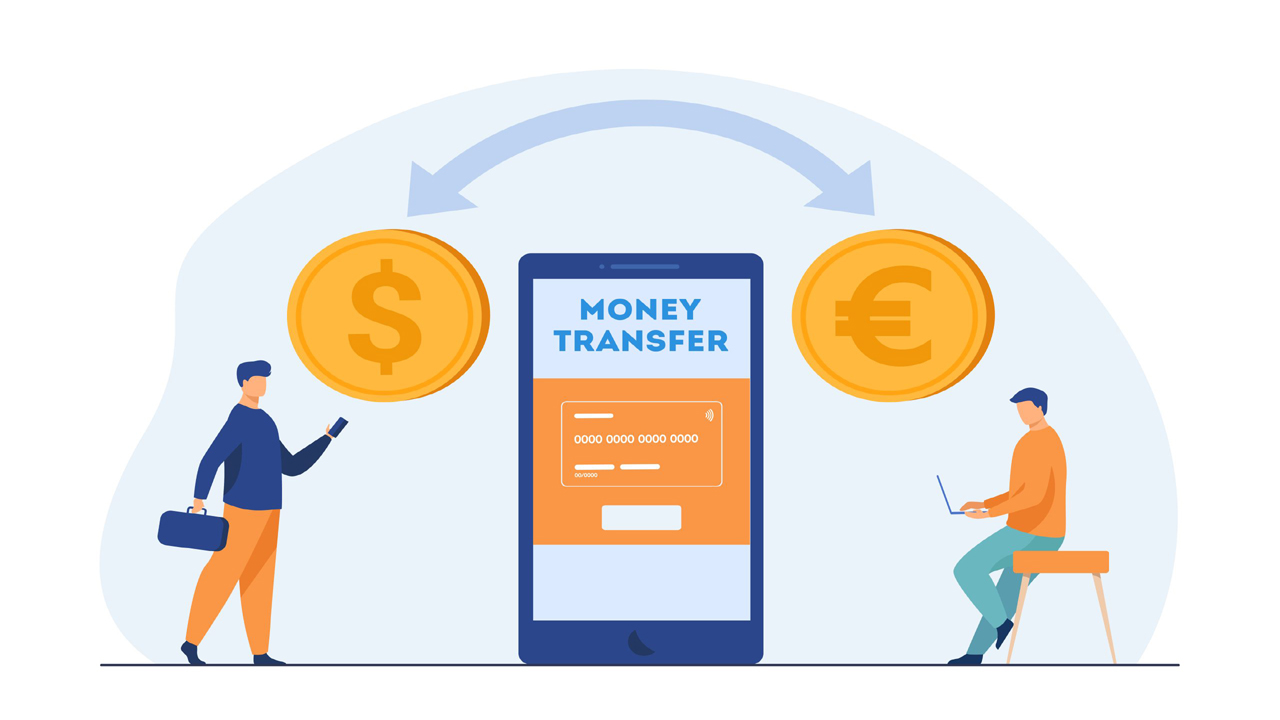
Why Digital Remittance Platforms Are Becoming the Preferred Choice for Global Workers
Introduction
Every year, millions of people leave their home countries in search of better job opportunities. These workers form the backbone of global remittances, sending money home to support their families, communities, and local economies.
In recent years, there has been a significant shift toward digital remittance platforms, which offer a faster, safer, and more convenient alternative to traditional money transfer methods.
This article explores why migrant workers and families increasingly prefer digital channels—and what makes these platforms essential in today’s interconnected world.
1. Lower Fees, Higher Savings
One of the biggest advantages of digital remittance platforms is cost efficiency. Traditional transfer services often rely on physical branches and cash handlers, resulting in higher operational costs. Digital platforms reduce these overheads, allowing them to offer:
-
Lower transfer fees
-
Better exchange rates
-
More transparent pricing
-
No hidden charges
For workers who send money frequently, even small savings per transfer accumulate into significant yearly savings.
2. Instant Money Delivery to Families
Speed is no longer a luxury—it is an expectation.
Digital services allow senders to transfer money in real time or within minutes, ensuring families receive funds exactly when they need them for essentials such as:
-
Bills and utilities
-
School fees
-
Rent and groceries
-
Medical emergencies
Traditional transfers, which could take days, are becoming less acceptable in a world that demands immediate results.
3. More Ways to Receive Money
One of the most attractive features of modern remittance platforms is the wide range of payout options. Families can choose to receive money through:
-
Bank accounts
-
Mobile wallets
-
Cash pickup locations
-
Debit cards
-
Instant payout networks (where available)
This flexibility makes it easier for recipients in rural or remote areas to access funds without delays.
4. Enhanced Security for Every Transaction
Security concerns are common among senders and receivers. Digital platforms have addressed this by introducing advanced protections including:
-
Encrypted transactions
-
Biometric authentication
-
Fraud monitoring systems
-
Identity verification (KYC)
-
Secure API communication
These measures make digital transfers significantly safer than carrying cash or visiting crowded money transfer outlets.
5. Convenience That Fits the Modern Lifestyle
Global workers often work long hours and may not have the time to visit a branch. Digital remittance platforms allow them to:
-
Send money 24/7
-
Complete transactions from anywhere
-
Save beneficiaries for quick repeat transfers
-
Track status in real-time
-
Access support through chat or online portals
This level of convenience has made digital transfers a popular choice among younger and tech-savvy customers.
6. Transparent Exchange Rates
Transparency builds trust.
Digital transfer services display live exchange rates, ensuring users know exactly how much the receiver will get. This removes the guesswork and hidden charges often associated with cash-based services.
7. Financial Inclusion for Underserved Communities
Digital remittance platforms are helping bridge financial gaps in developing regions. By enabling users to receive money via bank accounts or mobile wallets, they promote:
-
Better financial accessibility
-
Reduced dependency on cash
-
Safer money management
-
Opportunities for long-term savings
-
Access to digital financial services
This is especially important in countries where traditional banking access is limited.
8. Trusted by Millions Around the World
The global adoption of digital remittances continues to grow every year. Workers increasingly rely on these platforms because of their:
-
Consistency
-
Reliability
-
Speed
-
Improved customer experience
Digital remittances are not just replacing traditional transfers—they are redefining the entire industry.
Conclusion
Digital remittance platforms are more than just financial tools—they are essential solutions that help families stay connected and financially supported across borders. With faster delivery, lower fees, better security, and increased convenience, it’s no surprise that millions of global workers now choose digital methods as their primary way to send money home.
As technology evolves, these platforms will continue shaping the future of global remittances, making international money transfers smarter, safer, and more accessible for everyone.

0 Comments
No comments yet. Be the first to comment!